Whiston’s Objection 7, Page 99. In John 8:5, the Jews say that Mosses commanded the stone the adulteress, which assertion our Savior’s answer in John 8:7 confirms. This punishment, although in this age it is not extant in the Hebrew, nor Samaritan Pentateuch, nor in the Septuagint, nor Josephus, yet that in ancient times it was prescribed, and in the time of Christ was read in the law, besides the place quoted, is acknowledged also by the Apostolic Constitution.
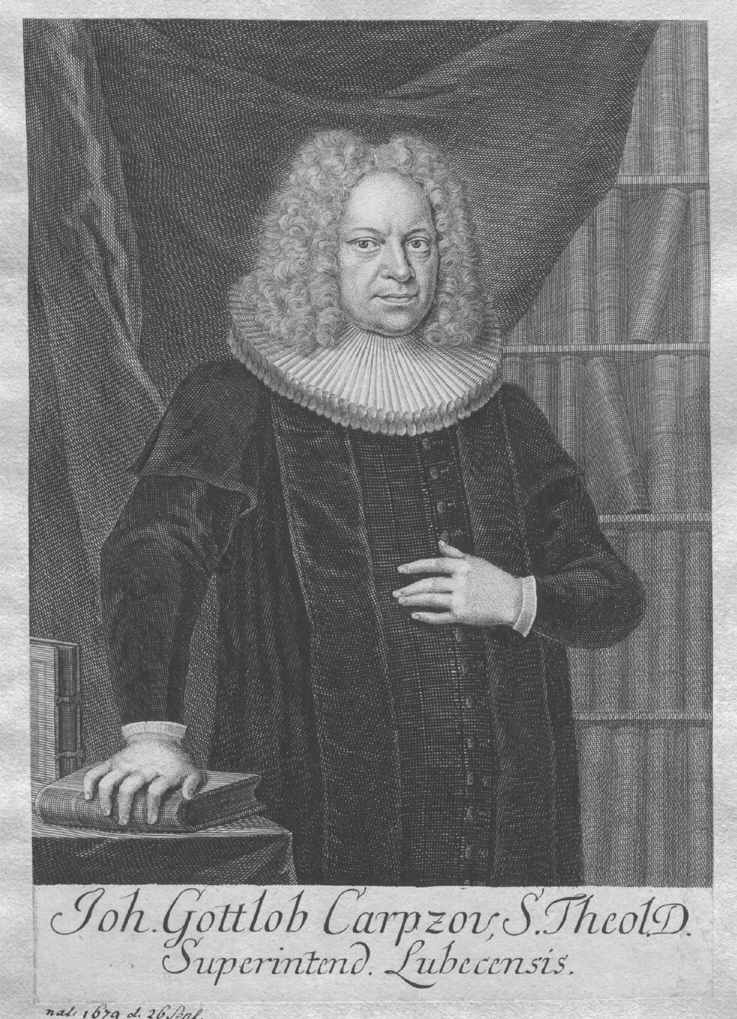
Carpov’s Answer: Interpreters differ about the punishment of the adulteress, because Moses (Leviticus 20:10 and Deuteronomy 22:22) had indeed appointed a capital punishment indefinitely to both the adulterer and adulteress, but had not assigned them any particular kind of death.
The Jewish rabbis agree that it was strangling; but since severer punishments were to be afflicted upon growing crimes, Grotius thinks the adulteries becoming frequent at that time, used to be punished by stoning. Henry Hammond is of the opinion that stoning only took place, when the adulteress was taken in the very act, as in the fourth verse of this chapter. Selden understands is of a betrothed, not a married wife, whom Moses expressly appoints to be stoned to death. With him agrees Francios Burman, Wagenseilius that famous interpreter of the Jewish antiquities and laws, insinuates that stoning is declared by Moses in Deuteronomy 22:22 compared with the 24th verse. And this might be confirmed by Ezekiel 16:38-40 where stoning is said to be the judgment of the adulteress.
However this be, here we have the words of the scribes and Pharisees, quoting Moses to that sense in which they understood and explained the words. Hence it may be clearly perceived that at that time, the practice of the Jewish courts of justice was to stone adulteresses, Christ in his answer to them does not say that he read in his copy that the stoning was expressly appointed by Moses to adulteresses, but disputing with them ad hominem, upon their principles, and desirous to confound the prosecutors, he retorts the same sentence upon them which they had pronounced against the woman, leaving it in suspense, and not determining whether the punishment of stoning for the crime took its rise from the decision of Moses, or from the then present practice of their courts.
Upon this consideration, our Savior’s discourse argues no omission in the copy of the law; and much less can be the pretended Apostolic Constitutions, which in the place already cited follow Moses exactly, neither do they determine any kind of death. For thus they say; “ean tiV gukaika upandron mianh, apokteinate amfoterouV, anamian epoihsan, enocoi eisin, apoqanetwsan: If any man shall defile a married woman, put both of them to death; they have committed iniquity, they are guilty, let them die.” These words Mr. Whiston has slyly omitted, quoting those only which went before, about the sin of unnatural uncleanness being punished by stoning to death, and which have nothing to do with what we are now upon; by this example again showing us with what insincerity he produces his vouches. All I shall add is, transiently, to observe that since some deny this whole portion of Scripture any way to belong to St. John, thinking that it has been but lately intruded into his gospel, Selden already mentioned has recited their reasons, and Francios Gomarus has industriously vindicated it, as belonging to St. John, and solidly proved its authenticity. [italics added]
Johann Gottlob Carpzov, A Defense of the Hebrew Bible, in answer to the charge of corruption brought against it by Mr. Whiston, in his Essay towards restoring the true test of the Old Testament, trans. by Moses Marcus, 1729 (Kansas, OK: Berith Press, 2025), 161-164.
 Standard Sacred Text.com